A crowd is easy to manage when the site was planned for it. Most problems at public events are not caused on the day. They are drawn into the site plan weeks earlier: one entrance where two were needed, a bar next to the exit, a screen that makes everyone stop in the walkway.
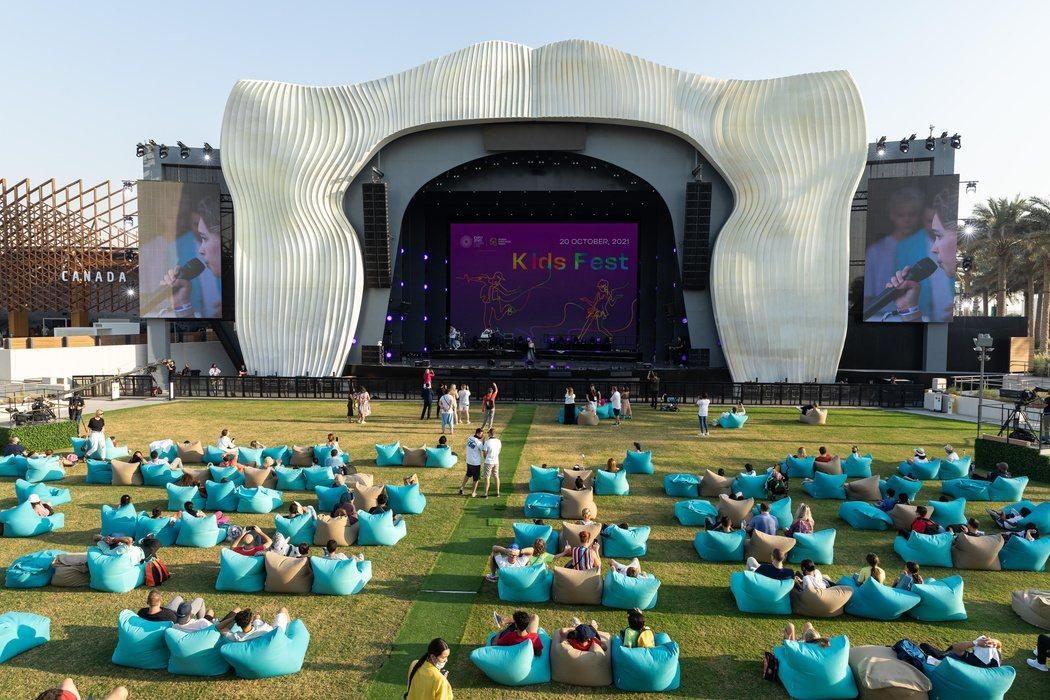
We have planned and run fan zones at the FIFA World Cup Qatar 2022, the World Combat Games and the Saudi Games, concert operations for Riyadh Season, and the Festival Garden at Expo 2020 Dubai. This is how we think about a crowd, from the first drawing to the last guest leaving.
Start with the site plan
The crowd is designed before anything is built. On a fan zone, we draw the entrances and the crowd flow at the concept stage, before the stage and the screens are placed.
Three questions shape the plan:
- Where do people arrive from? Metro, car parks, taxis, walking routes from a stadium. Each one needs an entrance that faces it.
- Where will they stop? The stage, the big screens, the food court, the toilets. Every place people stop needs room around it, away from the main walkways.
- Where do they leave? Usually all at once: at the end of a match, after the headline act, after the fireworks.
A good plan keeps the three apart. People arriving should not cross people leaving, and nobody should queue for food in the path to an exit.
Entrances and screening
Most queues form at the gate. Bag checks and ticket scans take time per person, and that time multiplies at peak arrival.
- Open early. A crowd that arrives over two hours is easy. The same crowd in twenty minutes before kick-off is not.
- Plan for the peak, not the average. Count lanes for the busiest half-hour, not the day.
- Separate the flows. Families with prams, guests with accessibility needs, staff and suppliers each need their own route or lane.
- Give the queue shade and information. A queue that can see how it works moves faster and stays calm.
Capacity: know your number, and watch it
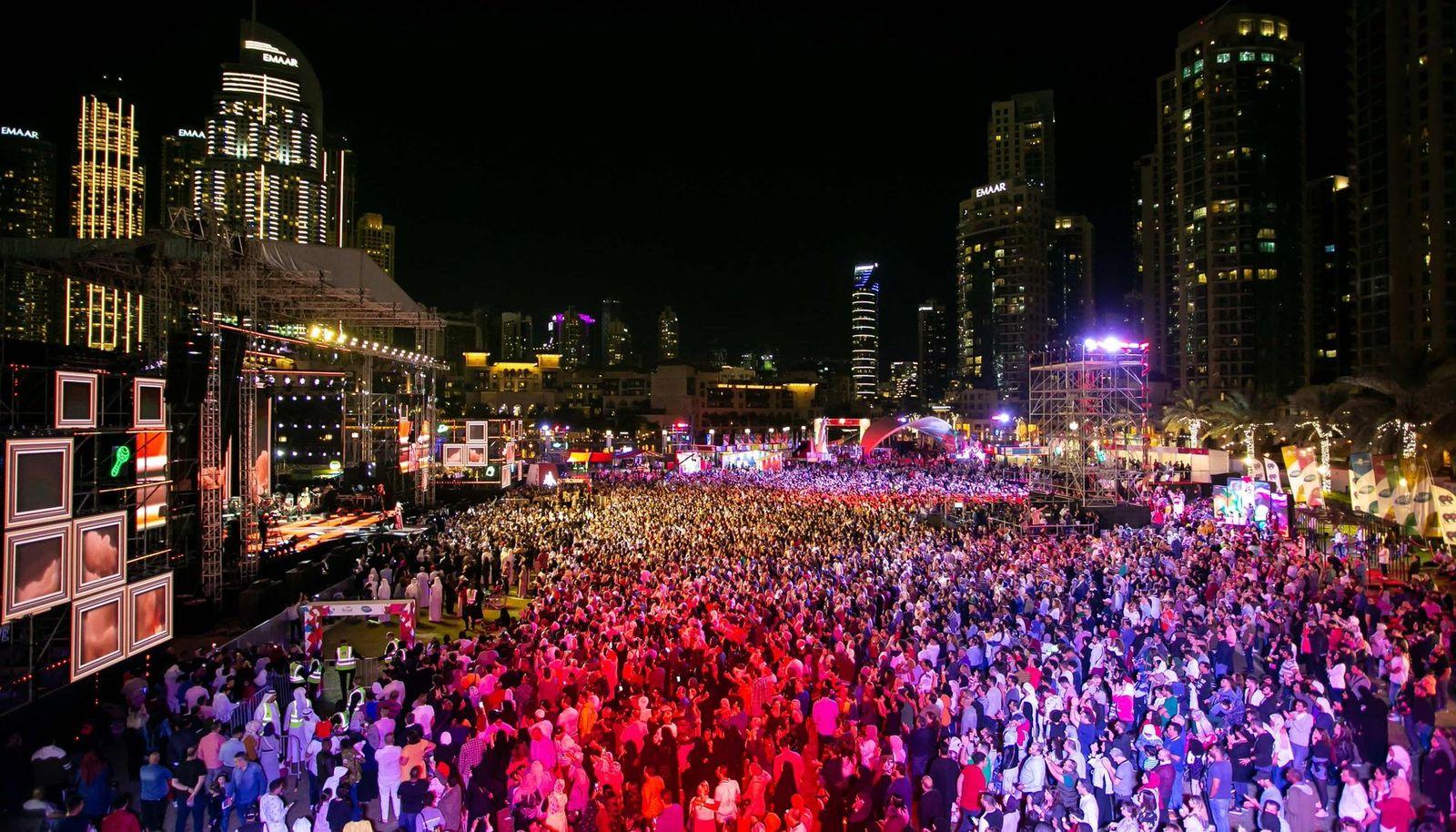
Every site has a safe capacity, and every zone inside it has one too. The stage area fills long before the site does.
Count people in and out at the gates, and watch the busiest zones directly. When an area gets close to full, close the route into it before it becomes a problem, and send people somewhere else on the site. That is far easier when the plan has a second screen, a second food area or a second activity zone ready to take them.
Heat, shade and water
In the Gulf, heat is a crowd risk, not only a comfort issue. People in a hot queue get impatient, and people in a hot crowd faint.
- Shade over queues and the main standing areas
- Free drinking water, easy to find
- A first-aid point that everyone on the team can direct people to
- A programme that puts the busiest moments in the evening
This is also why the outdoor season runs from late October to mid-March, and why summer events move indoors or after dark.
Exits and the end of the night
The end of an event is the busiest moment. Everyone leaves at the same time, in the dark, often tired.
- Plan more exit width than entrance width.
- Keep every emergency route clear for the whole event, not only at inspection.
- Light the routes to transport, and tell people which exit leads where.
- Stagger the end if you can: a last DJ set or late food keeps part of the crowd on site while the rest leave.
Stewards, security and staff
A plan only works if the people on the ground know it. On large public events we run crowd management and security integration, and we hire, train and deploy the event staff.
What makes stewards effective:
- A briefing on the site plan before doors open. Every steward should know the nearest exit, first-aid point and toilets from where they stand.
- Clear roles. Gate staff, zone stewards, a response team that can move where it is needed.
- One radio channel and one control point, so a problem at one gate is known across the site within seconds.
Work with the authorities from the start
On a large public event, the police, civil defence and the venue's own security are part of the plan, not an inspection at the end. Share the site plan with them early and adjust it with them. Changes on paper cost nothing. Changes after the fences are up cost days.
Talk to the crowd
People follow instructions they can see and hear. Use the big screens and the MC for more than the show: where to find water, which exit leads to the metro, when the next match starts. Signs should be readable from a distance and in the languages your audience speaks.
The short version
- Draw the crowd into the site plan before anything else.
- Plan the gates for the peak half-hour.
- Know the capacity of each zone, not only the site.
- Treat heat as a safety issue.
- Make the exits wider than the entrances.
- Brief every steward on the plan.
- Bring the authorities in early.
How we can help
We plan, build and run fan zones, festivals and concerts as one team, from the site plan to the last match day. See our fan zones, festivals, concerts and sports events pages, or projects such as the FIFA World Cup Qatar 2022 fan zones, the World Combat Games 2023 fan zone and the Festival Garden at Expo 2020 Dubai.
Planning a public event? Tell us the date, the site and the crowd you expect.