Booking entertainment looks simple: pick an act, agree a price. In practice, most problems on the night come from things nobody asked about at the start. The ceiling was too low for the aerial act. The room could not be darkened for the LED show. The stage was the right size but the door to reach it was not.
This guide walks through the booking in the order that avoids those surprises.
1. Start with the event, not the act
Before you look at any performer, write down five things:
- The moment you want. A grand opening? Background atmosphere? A finale?
- The audience. Corporate guests, families, a wedding party, the public.
- The venue. Ballroom, beach, mall, outdoor site.
- The time of day. This decides whether light-based shows will work.
- The budget range. A range is enough. It saves everyone a week.
An act that is perfect for a gala dinner can be wrong for a family day. The moment comes first, then the act that creates it.
2. Send a proper brief
An agency can only suggest the right acts if it knows the event. A useful brief has:
- Date, city and venue
- Type of event and number of guests
- Indoor or outdoor
- Where the entertainment sits in the programme, and for how long
- Theme or brand colours
- What is already on site: stage, sound system, lighting, screens
- Budget range
With that, a good agency comes back with a short list that fits, not a catalogue.
3. Match the act to the venue
This is the step people skip. Each kind of act needs something from the room:
- Aerial shows: ceiling height, rigging points, clear floor space
- LED and laser dance shows: whether the lights can be dimmed, stage size
- Roaming acts and stilt walkers: floor surface, ceiling height, a changing room nearby
- Carnival parades: route length and width, where the audience stands
- Special shows: power supply, floor surface, venue rules on effects
- Musicians and DJs: sound system, power, where they set up
Ask the venue these questions before you confirm the act. Venues answer them every week.
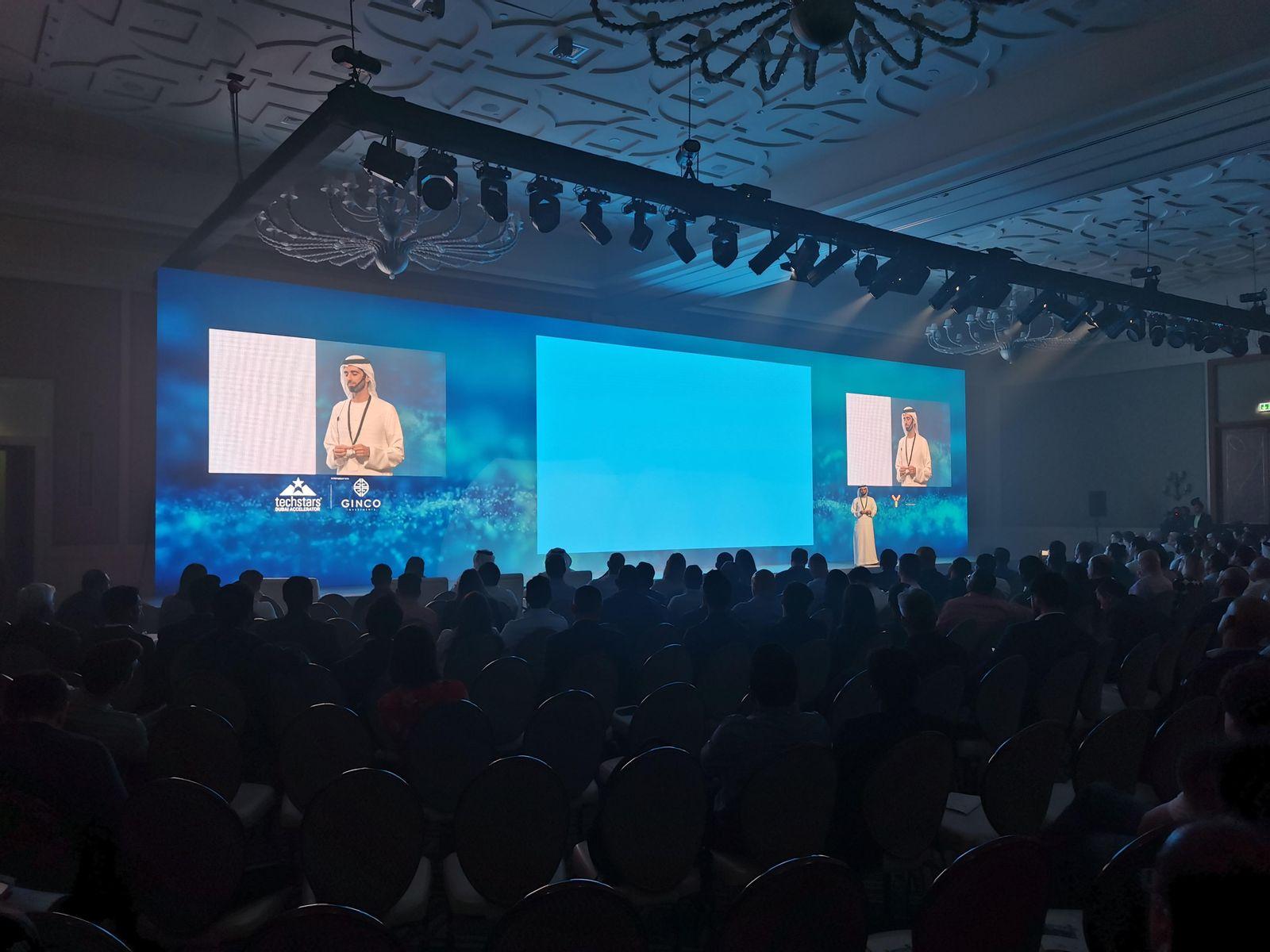
4. Decide who supplies sound and light
A show is only as good as the stage, the sound and the light around it. Either the venue supplies them, or a production company does, or the agency does.
The fewer hand-overs, the fewer gaps. When the same team books the act and supplies the stage, sound and lighting, the technical set-up is planned for that act from the start.
5. Book early in the season
The busy months for events in Dubai run from October to April, and December is the tightest of all, with the Dubai Shopping Festival, national day events and year-end parties in the same weeks. The acts everyone wants are booked first.
If your date is in that period, start as early as you can. If your event is close, ask anyway: availability changes.
6. Check what the quote covers
Before you confirm, be clear on:
- How long the act performs, and in how many sets
- Costumes, props and special equipment
- Sound, lighting and any technical crew
- Travel and accommodation, for events outside Dubai
- Any permits the event or the venue requires
Events in Dubai are licensed through the Department of Economy and Tourism. Your venue and your event company will tell you what applies to your event.
7. Plan the day
Agree these with the agency and the venue in advance:
- Access time for the performers, and where they change
- A sound check or a technical run, before guests arrive
- The exact running order, with times
- One contact person on your side and one on theirs
On the day, that one contact person is the difference between a calm event and a stream of phone calls.
Mistakes we see most often
- Booking the act before checking the venue
- Planning an LED show for a room that cannot be darkened
- Leaving no time in the schedule for a sound check
- Too much entertainment, too close together: guests need room to talk
- Booking late in December and taking what is left
In short
Start from the moment you want to create. Send a full brief. Check the venue against the act. Settle sound and light early. Book ahead of the season.
Planning an event? See our entertainment or send us your brief.